
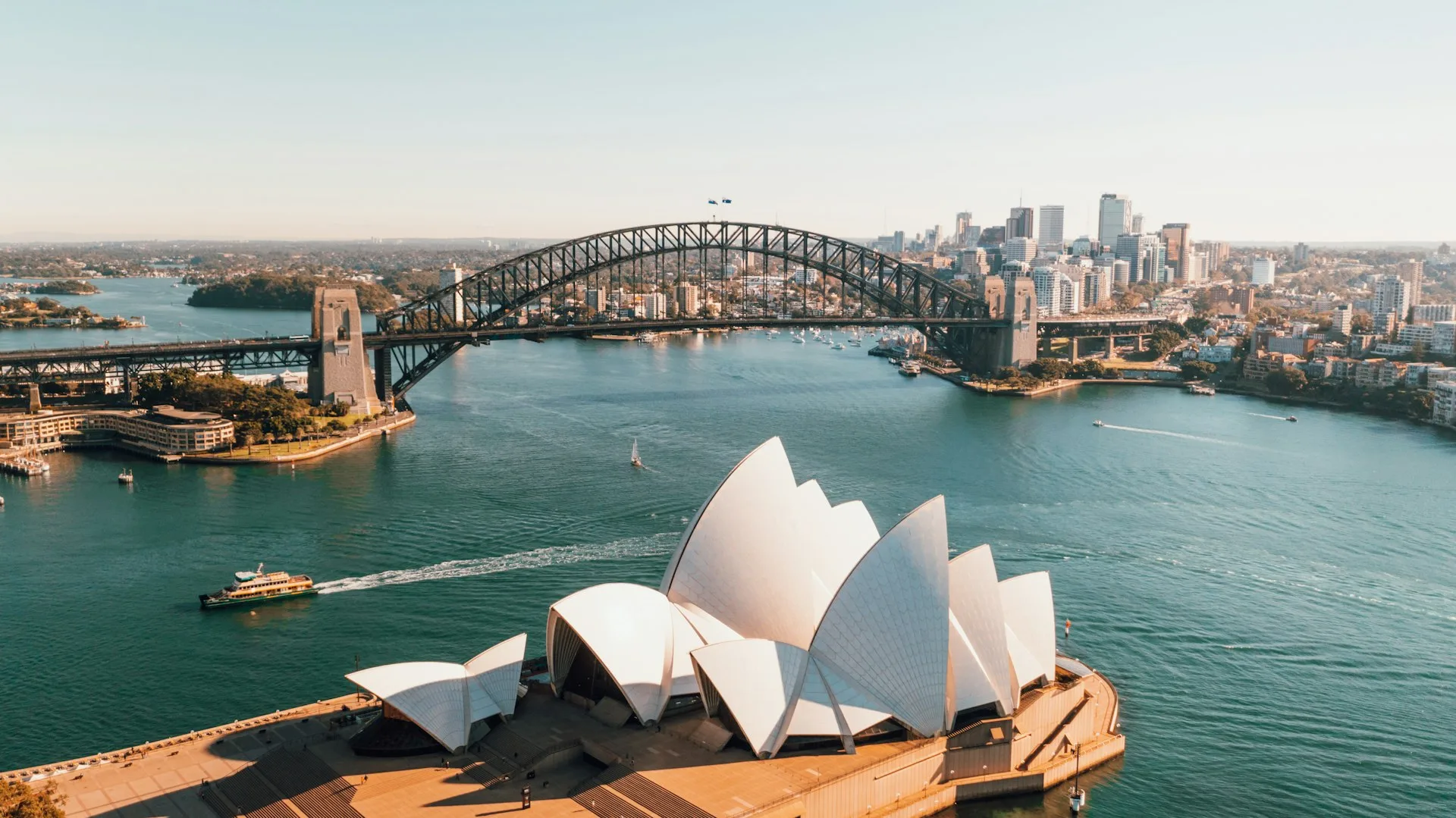
Australia & Oceania Travel Guide: The Region’s Most Spectacular Destinations
From the Sydney Opera House and the Great Barrier Reef to Uluru, New Zealand’s fjords and the turquoise lagoons of Fiji and Bora Bora — where to go, when to visit, and how to plan the trip.
Explore Destinations Plan My TripReefs, Red Deserts & Island Paradise
Australia and Oceania combine laid-back cities, ancient landscapes, unique wildlife and some of the most beautiful islands on the planet — from the Outback to Polynesian lagoons.
Reefs & Ocean Life
Dive and snorkel the Great Barrier Reef and Ningaloo, swim with manta rays in Fiji and whale-watch in Tonga.
The Outback
See Uluru glow at sunset, explore Kings Canyon and Kakadu and learn about the world’s oldest living cultures.
Epic Landscapes
Cruise Milford Sound, hike the Tongariro Crossing, see glaciers and lakes in New Zealand’s Southern Alps.
Unique Wildlife
Kangaroos, koalas, quokkas, kiwis and penguins — animals you won’t see anywhere else on Earth.
Island Paradise
Overwater bungalows in Bora Bora, Fiji’s Yasawa Islands, the Cook Islands and Samoa’s quiet beaches.
Adventure Capital
Bungee and skydive in Queenstown, surf Bondi and the Gold Coast and campervan along epic coastal roads.
Best Places to Visit in Australia & Oceania
Our hand-picked list of the region’s top travel destinations, with the best time to go and an honest budget guide for each.
 Australia
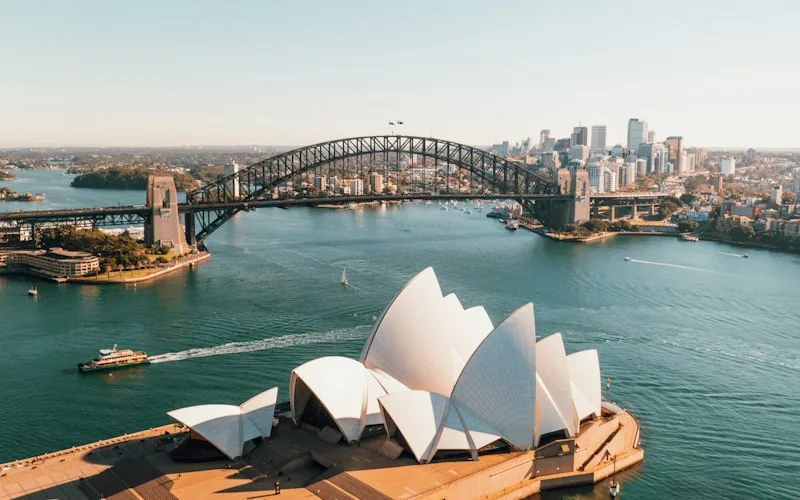
Sydney & New South Wales
See the Opera House and Harbour Bridge, swim at Bondi and Manly, hike the Blue Mountains and taste wine in the Hunter Valley.
Read the Sydney & New South Wales guide →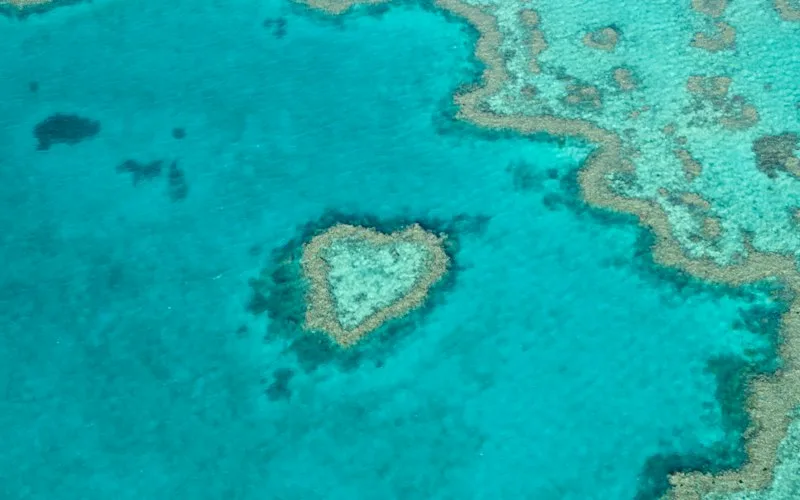 Australia
Great Barrier Reef & Queensland
Snorkel and dive the Great Barrier Reef, sail the Whitsundays, explore the Daintree Rainforest and enjoy the Gold Coast.
Read the Great Barrier Reef & Queensland guide →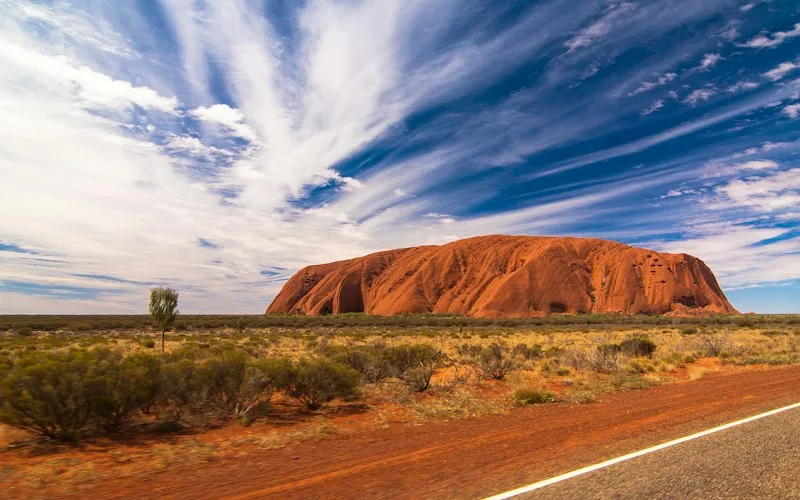 Australia
Uluru & the Red Centre
Watch sunrise and sunset over Uluru, walk among the domes of Kata Tjuta and hike the rim of Kings Canyon.
Read the Uluru & the Red Centre guide →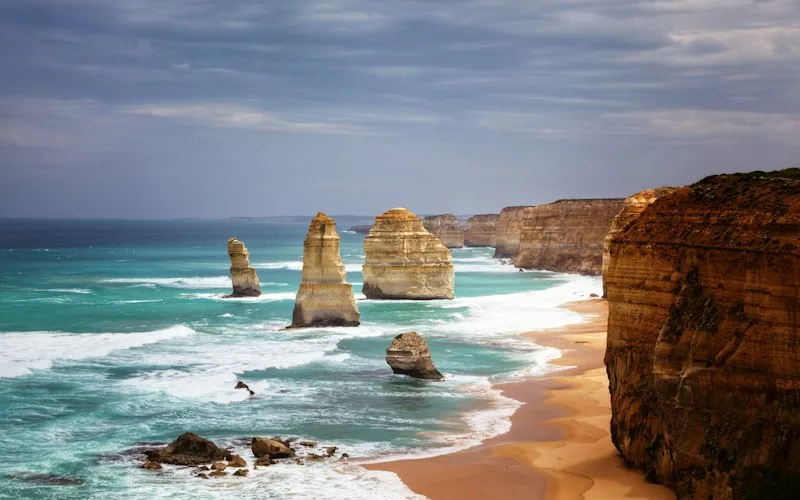 Australia
Melbourne & Great Ocean Road
Explore Melbourne’s laneways, coffee and food scene, then drive the Great Ocean Road to see the Twelve Apostles.
Read the Melbourne & Great Ocean Road guide →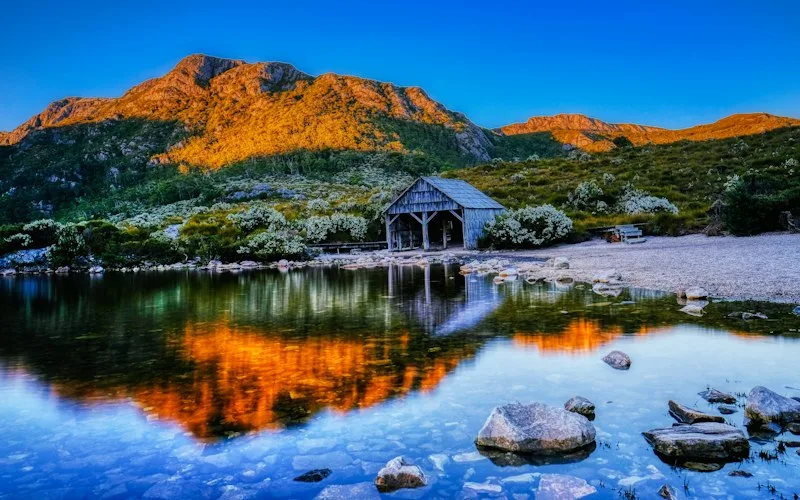 Australia
Tasmania
Hike Cradle Mountain and Wineglass Bay, visit MONA in Hobart, and enjoy wilderness, wildlife and excellent local produce.
Read the Tasmania guide →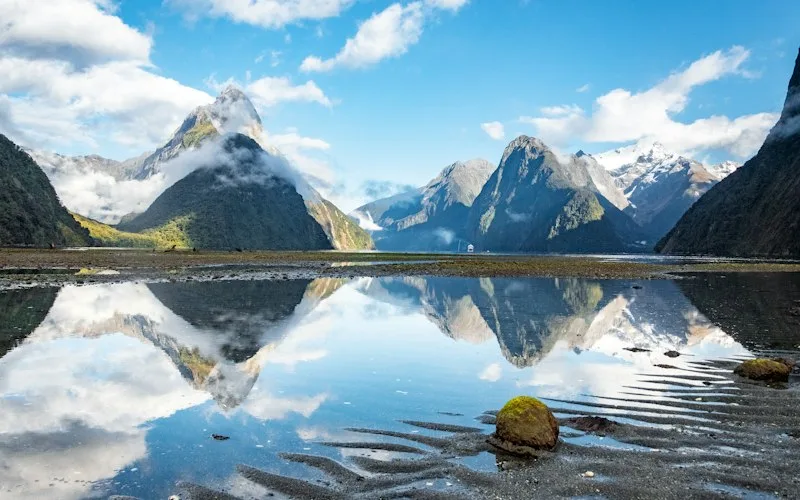 New Zealand
 – South Island
Cruise Milford Sound, adventure in Queenstown, see Aoraki/Mount Cook and walk on glaciers at Franz Josef.
Read the New Zealand – South Island guide →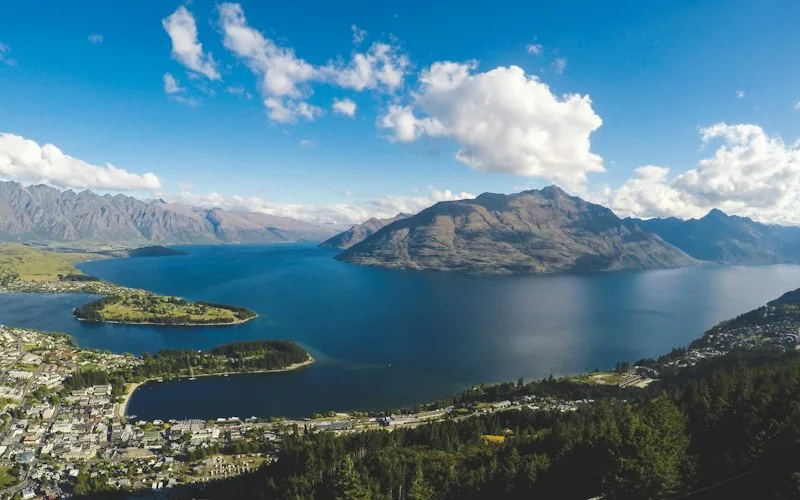 New Zealand
 – North Island
Explore Auckland, visit Hobbiton, see geothermal Rotorua and Māori culture and hike the Tongariro Alpine Crossing.
Read the New Zealand – North Island guide → Pacific Islands
Fiji
Island-hop the Mamanuca and Yasawa Islands, snorkel coral reefs, visit local villages and relax on white-sand beaches.
Read the Fiji guide →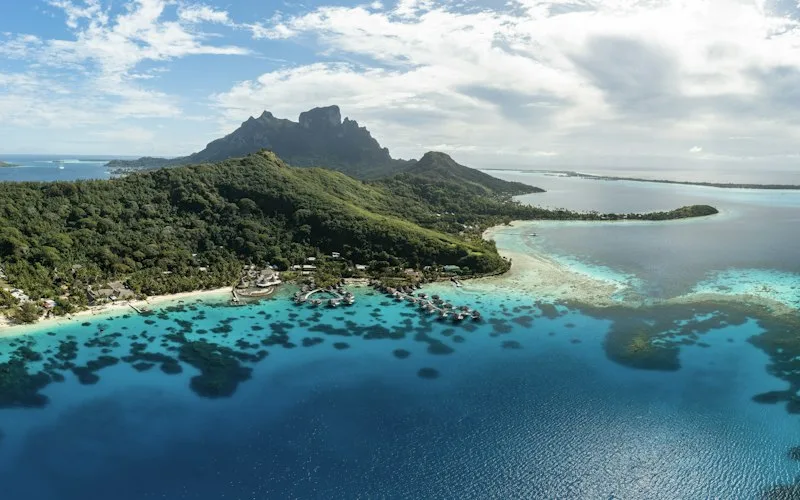 Pacific Islands
French Polynesia
Stay in an overwater bungalow in Bora Bora, swim with rays and sharks in Moorea and explore the remote atolls of Tahiti.
Read the French Polynesia guide →Best Time to Visit Australia & Oceania by Region
The region lies mostly in the Southern Hemisphere, so seasons are reversed — December to February is summer. Tropical areas have wet and dry seasons instead.
| Region | Best Months | Avoid | Why |
|---|---|---|---|
| Southern Australia (Sydney, Melbourne, Adelaide, Tasmania) | September – November, March – May | June – August in Tasmania (cold) | Warm, comfortable weather without the peak-summer heat and crowds. |
| Tropical North (Cairns, Great Barrier Reef, Darwin, Kakadu) | May – October | November – April (wet season, stinger season) | Dry, sunny weather and clear water for reef trips. |
| The Outback (Uluru, Kings Canyon, Alice Springs) | May – September | December – February | Cooler days for hiking; summer often exceeds 40°C. |
| New Zealand (North & South Island) | December – March (summer); June – August (ski) | None (year-round, weather changes quickly) | Long days for hiking and road trips; winter brings snow sports. |
| Pacific Islands (Fiji, French Polynesia, Cook Islands, Samoa) | May – October | November – April (cyclone season) | Dry season with lower humidity, calm seas and great visibility. |
Essential Australia & Oceania Travel Tips
- Apply for your visa or ETA. Most visitors to Australia need an ETA, eVisitor or visa, and New Zealand requires an NZeTA for many nationalities. Always apply through official government websites.
- Respect strict biosecurity rules. Australia and New Zealand strictly control food, plants and outdoor gear — declare items on arrival or risk heavy fines.
- Don’t underestimate distances. Australia is almost the size of the USA. Use domestic flights between regions and save road trips for one area.
- Protect yourself from the sun. UV levels are very high. Wear sunscreen, a hat and sunglasses, and swim between the flags at patrolled beaches.
- Rent a campervan. Campervans are one of the best and most flexible ways to explore New Zealand and Australia’s coastlines.
- Book island stays early. Overwater bungalows and popular Fiji resorts book up quickly during the dry season and school holidays.
- Get travel insurance. Make sure it covers adventure activities like diving, skydiving and bungee jumping, plus medical evacuation from remote islands.
Sample Australia & Oceania Itineraries
7 Days: Sydney & the Blue Mountains
Sydney Harbour & Opera House → Bondi to Coogee walk → Blue Mountains → Hunter Valley wineries.
14 Days: Australia Highlights
Sydney → Uluru → Cairns & the Great Barrier Reef → Melbourne & the Great Ocean Road.
14 Days: New Zealand Road Trip
Auckland → Hobbiton → Rotorua → Queenstown → Milford Sound → Aoraki/Mount Cook → Christchurch.
10 Days: Fiji & Islands
Nadi → Mamanuca Islands → Yasawa Islands island-hopping → Coral Coast.
Australia & Oceania Travel: Frequently Asked Questions
What is the best place to visit in Australia & Oceania for first-timers?
Sydney is a great first stop, combined with the Great Barrier Reef and Uluru. New Zealand is also very easy to explore by car.
What is the cheapest country to travel in Oceania?
Fiji, Samoa and Vanuatu can be affordable if you stay in guesthouses, while Australia and New Zealand are more expensive — budget at least $80–$120 a day.
When is the best time to visit Australia?
Spring (September–November) and autumn (March–May) are ideal for most of the country. Visit the tropical north and the Outback between May and October.
How many days do I need to travel in Australia & Oceania?
Plan at least 10–14 days for Australia or New Zealand, and three to four weeks to combine both. A Pacific island break works well for 5–10 days.
Do I need a visa to travel to Australia or New Zealand?
Most visitors need an ETA, eVisitor or visa for Australia and an NZeTA or visa for New Zealand. Check official government websites before booking.
Is Australia & Oceania safe for tourists?
Yes — the region is very safe. The main risks are natural ones: strong sun, ocean rips, wildlife and changing weather in the mountains.
Ready to Start Planning Your Australia & Oceania Trip?
Have questions about where to go or need a hand building your itinerary? Get in touch and let’s plan your next adventure together.
Contact MePhotos via Unsplash.