
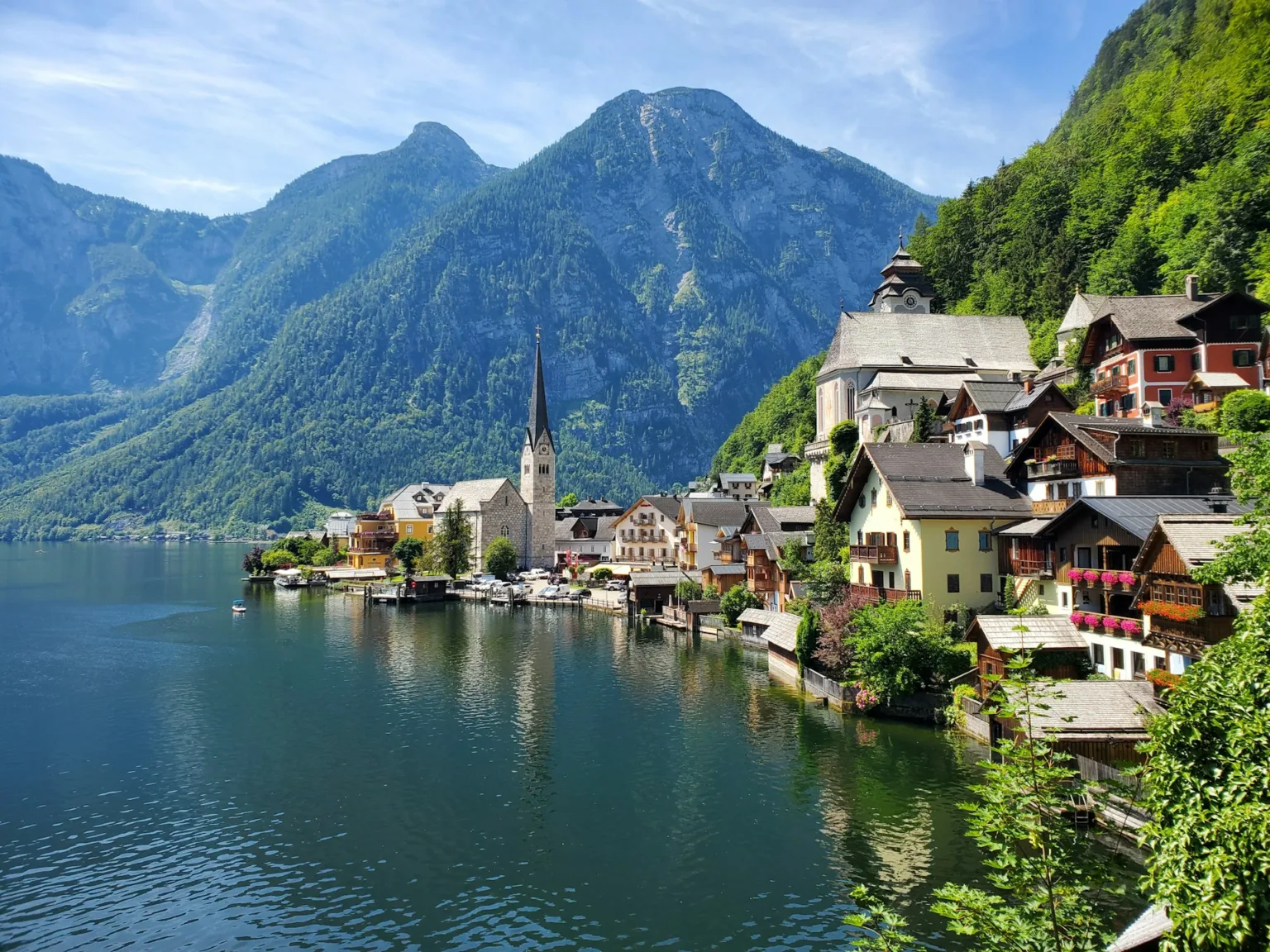
Europe Travel Guide: The Continent’s Most Iconic Destinations
From the Eiffel Tower and Rome’s Colosseum to Santorini’s sunsets and Iceland’s waterfalls — where to go in Europe, when to visit, and how to plan the trip.
Explore Destinations Plan My TripOne Continent, Centuries of Stories
Europe packs an incredible variety into a compact, well-connected space. Fast trains and short flights let you swap Alpine peaks for Mediterranean beaches, medieval old towns and world-class museums in a single trip.
History & Architecture
Walk the Roman Forum, climb the Acropolis, marvel at Gaudí’s Sagrada Família and explore castles, cathedrals and palaces in every country.
Mediterranean Coastlines
Island-hop the Greek Cyclades, drive the Amalfi Coast, swim in Croatia’s Adriatic coves and soak up the Algarve sunshine.
Mountains & Nature
Hike the Swiss Alps and Dolomites, chase the Northern Lights in Norway and Iceland, and explore the Scottish Highlands.
Food & Wine
Pasta in Bologna, tapas in Seville, croissants in Paris, pastéis de nata in Lisbon and wine regions from Bordeaux to Tuscany.
Easy to Get Around
Excellent rail networks, budget airlines and the Schengen Area make it simple to visit several countries on one trip.
Art, Culture & Festivals
The Louvre, the Uffizi, Christmas markets, Oktoberfest, La Tomatina and summer music festivals across the continent.
Best Places to Visit in Europe
Our hand-picked list of Europe’s top travel destinations, with the best time to go and an honest budget guide for each.
 Western Europe
France
Climb the Eiffel Tower, stroll Montmartre and the Louvre, sip wine in Bordeaux, explore the castles of the Loire Valley and relax on the French Riviera.
Read the France guide → Southern Europe
Italy
See the Colosseum and Vatican in Rome, ride a gondola in Venice, taste your way through Florence and Tuscany and drive the Amalfi Coast.
Read the Italy guide → Southern Europe
Spain
Admire Gaudí’s Barcelona, tour the Alhambra in Granada, enjoy flamenco and tapas in Seville and soak up the sun in Mallorca and the Canary Islands.
Read the Spain guide → Southern Europe
Greece
Explore the Acropolis in Athens, watch the sunset in Santorini, party in Mykonos and discover quieter islands like Naxos, Milos and Crete.
Read the Greece guide →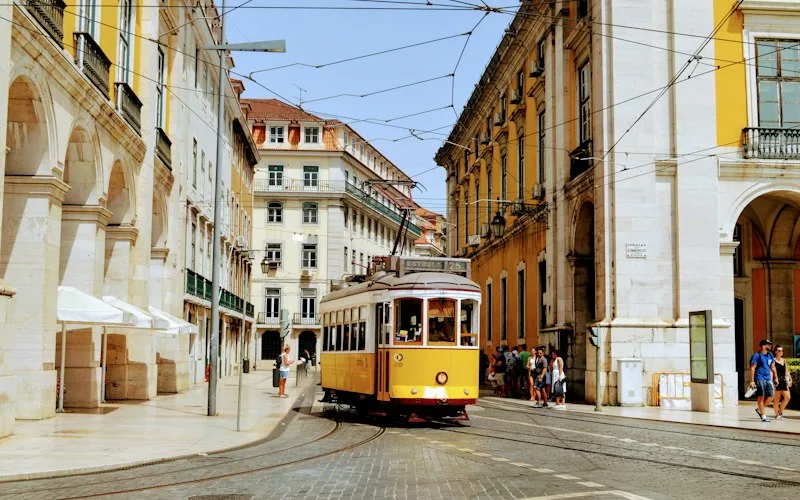 Southern Europe
Portugal
Ride the trams of Lisbon, sip port in Porto, visit the fairy-tale palaces of Sintra and hit the golden cliffs and beaches of the Algarve.
Read the Portugal guide →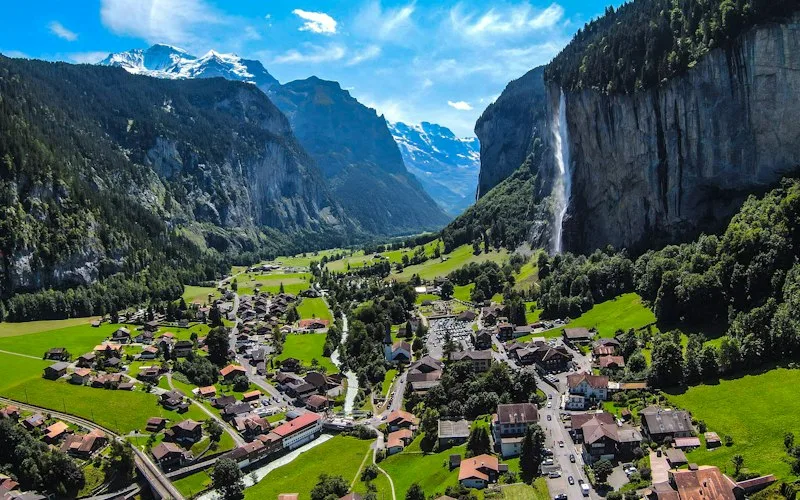 Central Europe
Switzerland
Ride scenic trains past glaciers, hike around Lauterbrunnen and Zermatt, see the Matterhorn and explore lakeside cities like Lucerne and Geneva.
Read the Switzerland guide →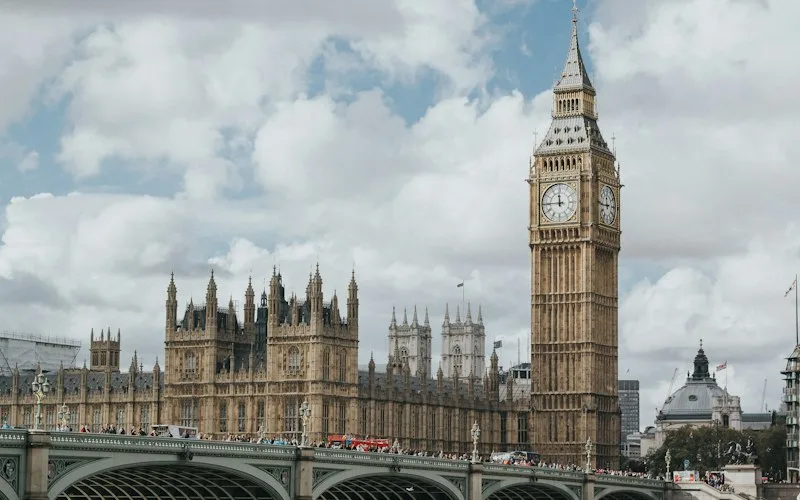 Northern Europe
United Kingdom
See London’s museums and landmarks, explore Edinburgh’s castle and the Scottish Highlands, and road-trip the Cotswolds and Lake District.
Read the United Kingdom guide →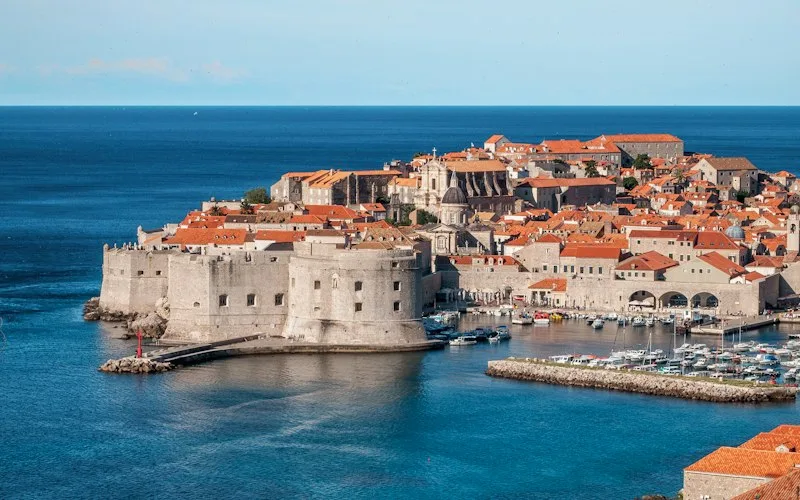 Southern Europe
Croatia
Walk the city walls of Dubrovnik, see the waterfalls of Plitvice Lakes, explore Diocletian’s Palace in Split and sail between Adriatic islands.
Read the Croatia guide → Northern Europe
Iceland
Drive the Ring Road past waterfalls, glaciers and black-sand beaches, soak in geothermal lagoons and watch the Northern Lights in winter.
Read the Iceland guide →Best Time to Visit Europe by Region
Europe has four distinct seasons. Summer is warm and busy, while spring and autumn (the shoulder seasons) bring fewer crowds and better prices.
| Region | Best Months | Avoid | Why |
|---|---|---|---|
| Southern Europe (Italy, Spain, Greece, Portugal, Croatia) | April – June, September – October | Late July – August | Warm, sunny weather without the peak-summer heat, crowds and prices. |
| Western Europe (France, Benelux, Germany) | May – September | November – February | Long days, outdoor cafés and festivals; December brings Christmas markets. |
| Northern Europe (UK, Ireland, Scandinavia, Iceland) | June – August | November – February (except for auroras) | Midnight sun and mild temperatures; winter is best for Northern Lights. |
| Central & Eastern Europe (Austria, Czechia, Hungary, Poland) | May – June, September | January – February | Pleasant city weather; great value compared with Western Europe. |
| The Alps (Switzerland, Austria, Dolomites) | June – September (hiking); December – March (skiing) | April – May, November | Snow-free trails in summer and reliable snow for winter sports. |
Essential Europe Travel Tips
- Check Schengen & ETIAS rules. Many travellers can visit the Schengen Area visa-free for up to 90 days in any 180-day period. The EU Entry/Exit System and ETIAS authorisation are rolling out — confirm current requirements on official EU websites before you go.
- Travel in shoulder season. April–June and September–October bring good weather, smaller crowds and lower prices than July and August.
- Use trains and budget airlines. Rail passes and advance train tickets are great value, and budget airlines connect most major cities cheaply — just watch the baggage fees.
- Book big sights in advance. Timed tickets for the Louvre, Vatican Museums, Sagrada Família and the Alhambra often sell out weeks ahead.
- Carry a card and some cash. Contactless cards work almost everywhere, but small cafés, markets and rural areas may still prefer cash. Note that not every country uses the euro.
- Watch for pickpockets. Keep valuables secure in busy tourist spots, on public transport and at major train stations.
- Get travel insurance. Make sure it covers medical care, cancellations and lost luggage — and check if your country has a reciprocal healthcare agreement.
Sample Europe Itineraries
7 Days: Paris & London
Paris landmarks & the Louvre → Eurostar to London → museums, markets and a day trip to Oxford or the Cotswolds.
10 Days: Classic Italy
Rome & the Vatican → Florence & Tuscany → Cinque Terre → Venice.
14 Days: Mediterranean Escape
Barcelona → Lisbon & Sintra → Athens → Santorini & Naxos island-hopping.
10 Days: Alps & Central Europe
Zurich → Lucerne → Interlaken & Lauterbrunnen → Salzburg & Hallstatt → Vienna.
Europe Travel: Frequently Asked Questions
What is the best country to visit in Europe for first-timers?
France, Italy and Spain are classic first choices thanks to iconic sights, great food and easy transport. The UK is also simple to navigate for English speakers.
What is the cheapest country to travel in Europe?
Portugal, Greece and many Central and Eastern European countries such as Poland, Hungary, Albania and Romania offer excellent value, often $50–$80 a day.
When is the best time to visit Europe?
Late spring (May–June) and early autumn (September–October) offer the best mix of good weather, fewer crowds and lower prices. Winter is ideal for skiing and Christmas markets.
How many days do I need to travel in Europe?
Allow at least 7–10 days to see two or three cities without rushing, and two to three weeks for a multi-country trip.
Do I need a visa to travel to Europe?
It depends on your passport. Many nationalities can enter the Schengen Area visa-free for short stays, while others need a Schengen visa. Always check official government and EU websites before booking.
Is Europe safe for tourists?
Europe is generally very safe. The most common issue is petty theft in crowded tourist areas, so keep an eye on your belongings and use normal city precautions.
Ready to Start Planning Your Europe Trip?
Have questions about where to go or need a hand building your itinerary? Get in touch and let’s plan your next adventure together.
Contact MePhotos via Unsplash.